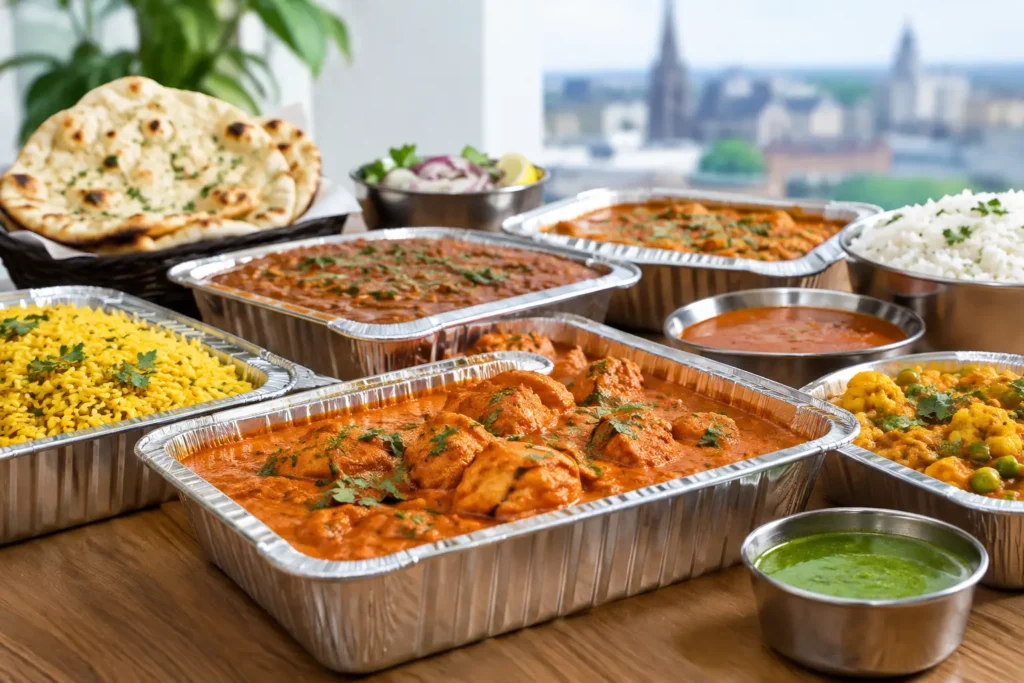
A table full of fragrant Dum Biryani, warm naan and richly spiced curries changes the feel of any gathering. For an Indian food bulk order in Watford, the aim is not simply to provide enough food. It is to give every guest a generous, memorable plate – whether they are joining a busy office lunch, a family birthday or a relaxed celebration at home.
Hyderabadi food is made for sharing. Aromatic rice, tender slow-cooked meat, smoky tandoori dishes and cooling traditional drinks bring variety to the table without making the menu difficult to enjoy. The right order balances familiar favourites with a few signature dishes that make the occasion feel special.
Indian Food Bulk Orders in Watford for Every Occasion
Bulk food ordering works best when the menu reflects the people around the table. A workplace lunch may call for easy-to-serve biryani, curries and breads, while a family gathering often benefits from starters, a wider choice of mains and dessert. For larger celebrations, a spread with vegetarian and non-vegetarian dishes makes guests feel properly considered.
Biryani is a strong centrepiece because it is complete, satisfying and built for generous portions. Hyderabadi Dum Biryani is prepared by layering fragrant basmati rice with marinated meat or vegetables, then slowly cooking it so the spices and aromas settle into every grain. Chicken, lamb and vegetarian biryani each offer a dependable starting point for a group order.
The number of guests matters, but appetite matters too. A lunch for colleagues who want a lighter meal needs a different quantity from an evening gathering where biryani is the main event. Consider whether children are attending, whether food will be served alongside other dishes, and whether guests will be eating immediately or returning for seconds over several hours.
Build a Menu Around Biryani
A successful bulk order should feel generous rather than repetitive. Start with one or two biryanis, then add dishes that bring contrast in texture, heat and flavour. A creamy curry, a tandoori option and fresh breads make the meal more flexible for guests with different tastes.
For a crowd that enjoys familiar restaurant favourites, Butter Chicken and Chicken Tikka offer approachable flavour alongside biryani. Those looking for deeper Hyderabadi character may prefer Dum ka Chicken or a rich mutton curry. Vegetarian guests should never be an afterthought: vegetable biryani, paneer dishes and vegetable curries help create a proper feast rather than a limited alternative.
Starters are especially useful when guests arrive at different times or when food is part of a longer event. Chicken 65 brings a lively, spiced kick, while Indo-Chinese favourites add a different kind of savoury comfort. Tandoori dishes are ideal for sharing because they bring charred flavour and can be served alongside minty accompaniments before the main meal is laid out.
Breads and sides make the difference between an order that is merely plentiful and one that is easy to enjoy. Naan is perfect for scooping up thick curries, while raita offers a cool contrast to spice and richness. Pickles and sauces can add brightness, but it is worth choosing them carefully when catering for mixed groups. Not everyone wants extra heat, so keep a balance between mild, medium and more fiery dishes.
Do not forget the finishing dishes
A large meal benefits from a sweet ending. Double-ka-Meetha brings a traditional Hyderabadi touch, while lassi provides a cooling finish that suits guests who enjoy something creamy after a well-spiced feast. For daytime events, traditional drinks can also sit neatly alongside the main spread and make the table feel more complete.
Plan Portions Without Guesswork
Ordering too little is the obvious worry, but ordering far too much can also make service difficult and reduce food quality if dishes are left sitting for a long time. The practical answer is to make biryani the base of the meal, then use curries, starters, breads and sides to give choice.
When biryani is the main dish, allow for substantial portions and add enough accompaniments that people can tailor their plates. If the gathering includes several mains, guests may take smaller portions of each but will expect a broader selection. A mixed group may include guests who eat only vegetarian food, guests who avoid particular meats and guests who prefer mild dishes, so variety is usually more useful than ordering many versions of the same curry.
For an office order, ask whether the meal needs to be individually portioned or set out as a shared buffet. Individual portions are practical for short lunch breaks and meetings. Shared trays suit a more relaxed team meal, family occasion or celebration where people can enjoy a second helping. If timing is tight, arrange the order in advance and make sure somebody is available to receive it.
Make Dietary Needs Part of the First Conversation
Good hosting begins before the food arrives. Ask guests about vegetarian preferences, allergies and dietary requirements early enough to plan a menu with confidence. Do not rely on a single vegetarian dish for a large mixed group, particularly if several people will be choosing it.
It also helps to label dishes when serving a buffet. A simple note for vegetarian options, meat dishes and hotter selections allows guests to choose comfortably. Keep sauces and raita close to the food they accompany, and provide serving spoons for each tray to keep the table tidy.
If an allergy is involved, discuss it directly when placing the order rather than making assumptions from dish names. Recipes, preparation methods and kitchen handling all matter. Clear information gives the restaurant the best chance to advise on suitable choices.
Bring Hyderabadi Specialities to Bigger Gatherings
Some occasions deserve more than the expected curry-and-rice combination. Hyderabadi specialities give a bulk order a sense of occasion, especially when guests include people who know and love regional Indian food.
Weekend dishes such as Lamb Mandi, Chicken Mandi, Haleem and Marag are worth considering when available. Mandi offers beautifully seasoned rice with succulent meat, making it a natural choice for sharing. Haleem is slow-cooked, warming and deeply satisfying, while Marag brings a comforting, aromatic soup-like character that can be enjoyed at the start of a meal.
These dishes are not always the best choice for every event. A short office lunch may be better served by easy-to-portion biryani and familiar curries. For a weekend family gathering or a celebration with food-loving guests, however, adding a regional speciality can turn the meal into a talking point.
Timing, Service and the Last Details
Freshly prepared food is at its best when it reaches the table close to serving time. Choose a delivery or collection slot that gives you time to set out dishes, but not so much time that hot food is waiting unnecessarily. If guests are arriving in stages, serve starters first and keep the main meal covered until most people are ready.
Think about the practical side too: table space, serving utensils, plates, napkins and access to an oven if anything needs gentle warming. For bigger events, decide who will organise the table before the food arrives. A few minutes of preparation means the host can spend more time with guests and less time searching for serving spoons.
At Biryani Bytes, bulk orders can be shaped around the occasion, from a straightforward workplace meal to a generous celebration spread. The best approach is to share the guest number, timing, dietary requirements and style of event when making an enquiry, then build the menu around the dishes people will be excited to see.
When the lids come off and the aroma of freshly cooked biryani fills the room, the meal has already done more than feed a crowd. It has given people a reason to gather, serve one another and stay at the table a little longer.